Building a Successful Pipeline with Reliable Girth Welds
Understanding Pipeline Girth Welding
The Importance of Girth Welds in Pipeline Construction
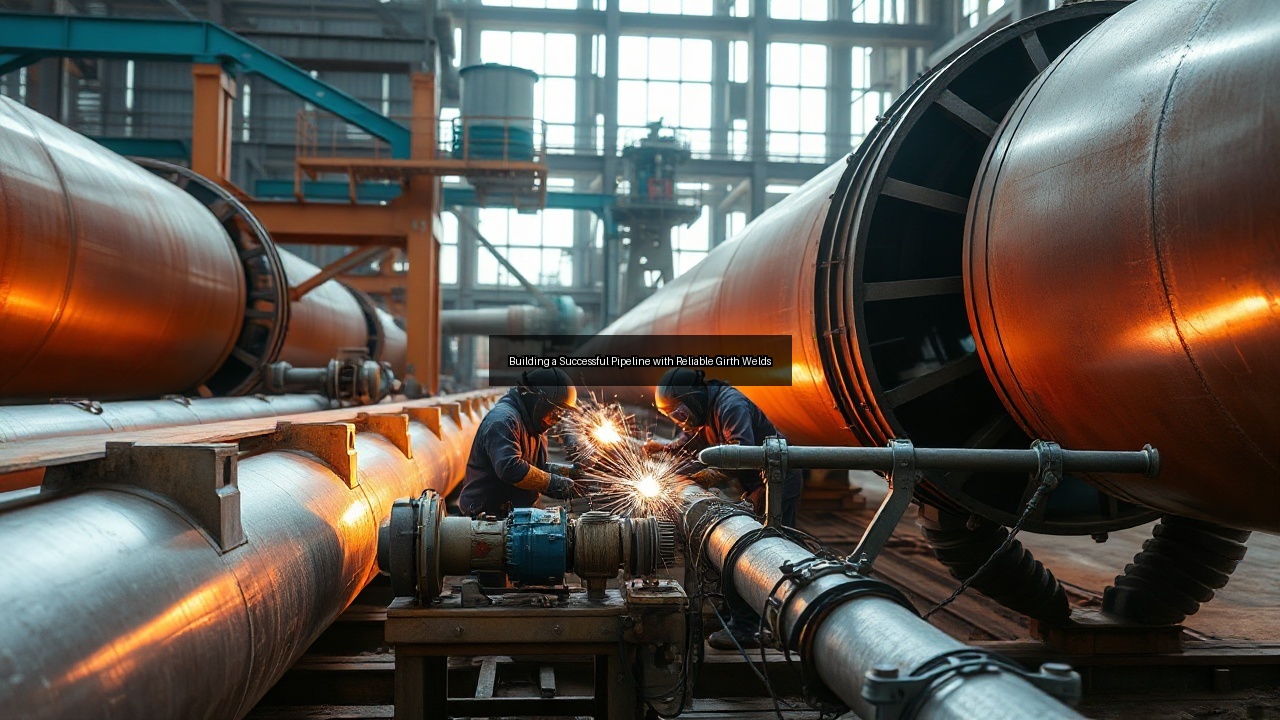
Girth welds form the backbone of pipeline construction, connecting the individual sections of pipe to create a continuous, efficient flow system. These welds ensure the structural integrity and leak-proof functionality of pipelines, which transport essential resources like oil, gas, and water. Without reliable girth welds, pipelines risk catastrophic failures, leading to environmental hazards and significant economic losses. The quality of girth welds directly influences the overall safety and longevity of the pipeline, making it crucial for engineers and construction teams to prioritize effective welding practices throughout the project lifecycle. Understanding the role of girth welds enables professionals to adopt the best techniques and materials, ensuring robust and durable pipeline systems.
Common Materials Used in Girth Welding
Various materials find application in girth welding, with carbon steel and stainless steel being the most prominent. Carbon steel offers excellent weldability and strength, making it a preferred choice for many pipeline projects. Stainless steel, known for its corrosion resistance, is ideal for pipelines transporting aggressive substances. Other materials, such as plastic or specialty alloys, may also be employed depending on specific project requirements and environmental conditions. The selection of welding filler materials is equally critical, as it must match or complement the base materials to achieve optimal weld strength and durability. Each material presents unique challenges and benefits, underscoring the importance of thorough material assessment before embarking on girth welding.
Factors Affecting Weldability of Pipeline Materials
Weldability is a crucial consideration when selecting materials for girth welding. Several factors influence weldability, including chemical composition, microstructure, and mechanical properties of the base materials. For instance, high carbon content can lead to increased brittleness, making the material more challenging to weld. Additionally, factors such as the presence of impurities, heat treatment history, and the thickness of the pipe can significantly affect the welding process. Understanding these variables helps welders adjust their techniques accordingly, ensuring the production of high-quality welds. Environmental conditions, such as temperature and humidity, also play a vital role, as they can impact the cooling rate and overall performance of the weld. Addressing these factors enhances the effectiveness of girth welds, contributing to the success of the entire pipeline.
Welding Techniques and Methods
Traditional Welding Methods vs. Advanced Techniques
Welding methods for girth welds have evolved significantly, transitioning from traditional techniques to advanced approaches. Traditional methods, such as Shielded Metal Arc Welding (SMAW) and Gas Tungsten Arc Welding (GTAW), remain prevalent due to their simplicity and effectiveness. However, advancements in technology have introduced methods like Submerged Arc Welding (SAW) and Friction Stir Welding (FSW), offering improved efficiency and quality. Each method has its advantages and disadvantages, depending on the specific application and material being welded. For instance, while SMAW is versatile and widely used, it may not match the speed and precision of automated techniques. Understanding these differences allows construction teams to select the most appropriate welding technique, enhancing overall project efficiency and weld integrity.
Friction Stir Welding: A Modern Approach
Friction Stir Welding (FSW) represents a significant advancement in girth welding technology. This solid-state welding process utilizes a rotating tool to generate frictional heat, softening the material and allowing it to flow together without melting. FSW produces strong, high-quality welds with minimal distortion and residual stresses, making it particularly advantageous for thick-walled pipelines. This method excels in welding aluminum and other materials that are challenging to weld through traditional means. The precision of FSW ensures excellent control over the heat input and weld properties, leading to improved corrosion resistance and mechanical performance. As industries seek more efficient and reliable welding methods, Friction Stir Welding continues to gain traction as a preferred option for pipeline girth welding.
The Role of Temperature in Girth Welding
Temperature plays a pivotal role in the success of girth welding. Proper control of heat input during the welding process ensures optimal fusion between the welding material and the base pipe. Insufficient heat can lead to incomplete fusion, while excessive heat may cause warping or other defects. Preheating the material, particularly in colder environments, can enhance the weldability of certain materials, reducing the risk of cracking and strengthening the final weld. Monitoring the temperature during welding is essential, as fluctuations can adversely affect the microstructure and mechanical properties of the weld. Advanced techniques, such as real-time thermal monitoring, help ensure consistent temperature control, ultimately contributing to high-quality, reliable girth welds.
Inspection and Quality Assurance
Weld Inspection: Ensuring Strength and Integrity
Weld inspection serves as a critical component in ensuring the strength and integrity of girth welds. Thorough inspection protocols assess the weld's visual appearance, dimensional accuracy, and overall quality. Inspectors examine the weld joint for any visible defects, such as cracks, porosity, or undercutting. These assessments form a vital part of the quality assurance process, ensuring that the welds meet industry standards and specifications. A comprehensive weld inspection not only identifies potential issues but also enhances the overall safety and reliability of the pipeline. Regular inspections throughout the construction process contribute to effective project management and help mitigate risks associated with pipeline failures.
Non-Destructive Testing Techniques for Girth Welds
Non-destructive testing (NDT) techniques are essential for evaluating the quality of girth welds without compromising the integrity of the pipeline. NDT methods, including ultrasonic testing, radiographic testing, and magnetic particle testing, allow inspectors to identify internal and external defects that may not be visible to the naked eye. Ultrasonic testing, in particular, utilizes sound waves to detect flaws within the weld, providing detailed information about the material's structure. Each NDT technique offers unique advantages and is often employed in conjunction to ensure a comprehensive assessment of weld quality. The integration of these techniques into the inspection process enhances the reliability of pipeline construction and minimizes the risk of future failures.
Ultrasonic Testing and Its Applications in Pipeline Inspections
Ultrasonic testing has emerged as a vital tool in the realm of girth weld inspection. This method employs high-frequency sound waves to penetrate the material and detect imperfections. The ability to assess welds from both the surface and within the material provides a thorough evaluation of the weld's integrity. Ultrasonic testing is particularly effective for identifying flaws such as lack of fusion, inclusions, and cracks, which can compromise the strength of the weld. The precise nature of this technique allows for accurate measurements of weld thickness, enabling welders to make informed decisions during the construction process. As industries strive for higher safety standards, ultrasonic testing continues to play a crucial role in ensuring the reliability of pipeline girth welds.
Challenges and Solutions in Girth Welding
Corrosion Resistance in Welds: Best Practices
Corrosion resistance is a paramount concern in girth welding, particularly for pipelines exposed to harsh environmental conditions. The weld zone often becomes susceptible to corrosion due to differences in microstructure compared to the base material. Best practices for enhancing corrosion resistance include using appropriate filler materials and applying protective coatings post-welding. Stainless steel and alloyed materials can provide enhanced resistance to corrosion, making them suitable for various applications. Additionally, implementing cathodic protection systems can further mitigate corrosion risks. Regular maintenance and monitoring of the pipeline's condition are essential to ensure long-term durability and performance.
Addressing Common Issues in Girth Weld Procedures
Girth welding presents several challenges that can affect the quality and reliability of welds. Common issues include improper heat input, inadequate cleaning of joint surfaces, and incorrect alignment of pipe sections. Addressing these challenges requires a systematic approach to welding procedures. Pre-weld inspections and proper joint preparation can significantly reduce the likelihood of defects. Moreover, training and certification of welders are crucial to ensure adherence to established procedures and standards. By implementing rigorous quality control measures, pipeline construction teams can minimize defects and enhance the overall performance of girth welds.
Literature Review: Innovations in Pipeline Welding Techniques
Ongoing research and development in welding techniques continue to drive innovation in the field of pipeline girth welding. A comprehensive literature review reveals advancements in materials, methods, and technologies aimed at improving weld quality and efficiency. Studies highlight the benefits of incorporating automated welding systems, which enhance precision and reduce human error. Furthermore, research into alternative materials and welding techniques, such as laser welding, shows promise for addressing challenges associated with traditional methods. Keeping abreast of these innovations allows industry professionals to adopt best practices and stay competitive in the ever-evolving landscape of pipeline construction.