From Hot Rolling to Continuous Casting the Importance of Steel Mill Oils
The Role of Lubricants in Steel Production
Understanding Steel Mill Oils
Steel mill oils play a critical role in the steel production process. These specialized lubricants are designed to withstand extreme conditions found in steel mills, such as high temperatures, heavy loads, and aggressive environments. Steel mill oils provide essential protection to machinery and equipment, reducing wear and tear while enhancing overall efficiency. These oils are tailored to meet the specific needs of various processes, ensuring optimal performance and longevity of the machinery involved in steel production.
Types of Steel Mill Lubricants
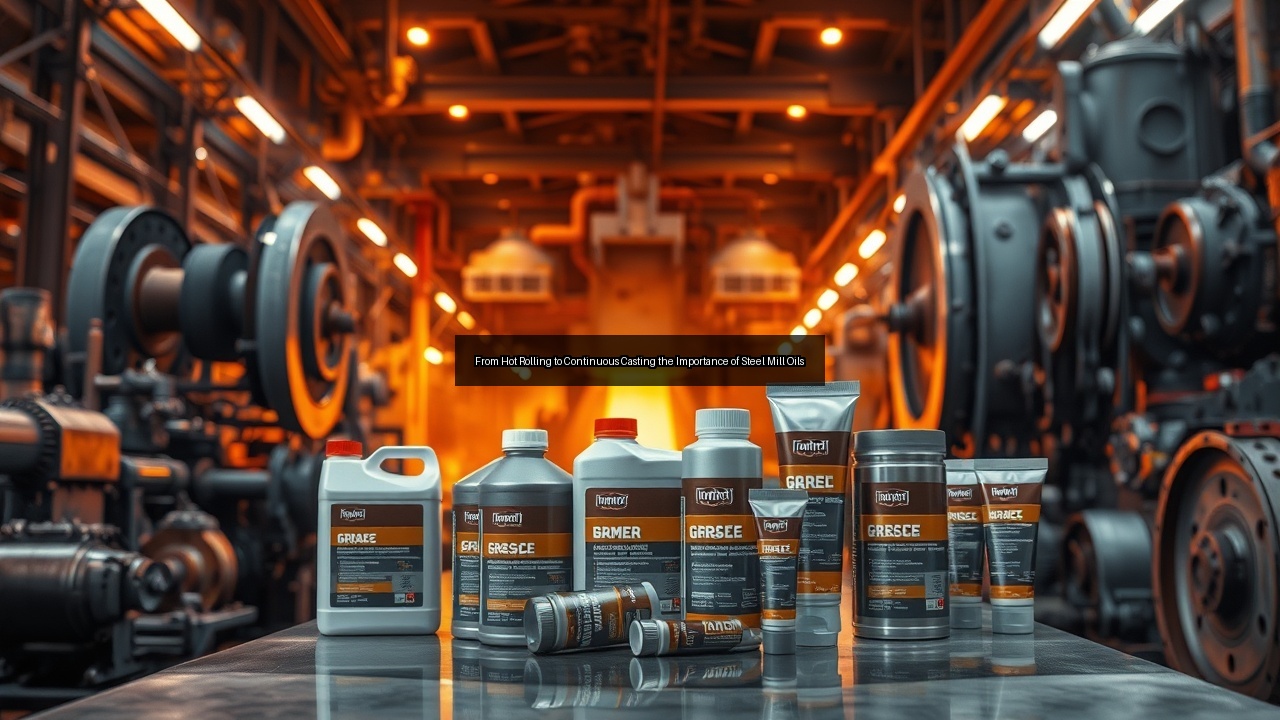
Different types of steel mill lubricants exist to cater to the diverse needs of steel production. These include oils, greases, and metalworking fluids. Oils are typically used in high-speed applications, providing superior film strength and heat resistance. Greases, on the other hand, offer excellent adhesion and are ideal for bearing lubrication in heavy machinery. Metalworking fluids, which include cutting oils and coolants, enhance the machining process by reducing friction and cooling the workpiece. Each lubricant type has its unique formulation designed to tackle specific challenges within the steel manufacturing process.
Benefits of Using High-Quality Lubricants
Investing in high-quality steel mill lubricants significantly benefits steel plants. Quality lubricants reduce friction, minimizing wear on machinery components and extending equipment life. This enhanced protection leads to fewer breakdowns and maintenance costs, directly impacting productivity and efficiency. Moreover, premium lubricants offer better thermal stability, industrial lubricant ensuring optimal performance even under intense operational conditions. Utilizing top-tier lubricants also contributes to environmental sustainability, as they often feature biodegradable formulations that reduce harmful emissions and waste.
Processes Needing Steel Mill Lubricants
Hot Rolling: Enhancing Efficiency and Performance
Hot rolling is a key process in steel production that requires effective lubrication to optimize performance. During hot rolling, steel is heated and passed through rollers to achieve the desired thickness and shape. The high temperatures involved can lead to increased friction, making the use of steel mill oils essential. Proper lubrication in this process minimizes friction and heat generation, reducing energy consumption and improving overall efficiency. Additionally, it helps achieve a smoother surface finish, enhancing the quality of the final product.
Continuous Casting: Key to Quality Steel
Continuous casting represents a critical phase in steel production, transforming molten steel into solid forms. Effective lubrication during this process is paramount; it minimizes the risk of defects and ensures uniform quality. Steel mill oils are applied to the mold and the secondary cooling system, facilitating the smooth movement of steel and preventing sticking. Proper lubrication not only enhances the speed of production but also contributes to the overall quality of the steel produced. The right lubricants ensure optimal cooling, preventing cracking and promoting the desired metallurgical properties of the steel.
Lubrication in Mini Mills and Steel Plants
Mini mills, which have gained popularity in the steel industry, also rely on effective lubrication to maintain operational efficiency. These smaller facilities often operate on tighter budgets, making the choice of steel mill lubricants critical. High-quality lubricants provide consistent performance, ensuring that both hot rolling and continuous casting processes run smoothly. In addition to traditional lubricants, mini mills are increasingly turning to advanced metalworking fluids to enhance their operations. These fluids offer superior performance in terms of cooling and reducing friction, ultimately improving productivity and reducing costs.
Optimizing Productivity through Lubrication
Impact of Lubricants on Reduction and Cost Effectiveness
Steel mill lubricants directly impact reduction and cost-effectiveness in steel production. By minimizing friction and wear, high-quality lubricants lower energy consumption and extend the life of machinery. This reduction in operational costs is vital in a competitive industry where margins can be tight. Additionally, effective lubrication enhances throughput, allowing steel plants to produce more steel in less time, further improving profitability. The cumulative effect of these factors underscores the importance of selecting the right lubricants to optimize productivity and cost-effectiveness in steel manufacturing.
Choosing the Right Metalworking Fluids
Selecting the appropriate metalworking fluids is crucial for maximizing performance in steel mills. Factors such as the type of steel being processed, the specific machinery used, and the operational environment all influence the choice of lubricants. High-performance metalworking fluids help in cooling, lubricating, and flushing away debris during machining operations. Steel plants must assess their production requirements and challenges to choose the right blend of oils and additives. Engaging with lubricant suppliers who understand the intricacies of the steel industry can lead to informed decisions that enhance operational efficiency.
Innovations in Gear Lubricants for Steelworks
Recent innovations in gear lubricants have transformed the landscape of lubrication in steelworks. Advanced formulations provide improved protection against wear and thermal degradation, ensuring that gears operate smoothly under heavy loads. These innovations enhance the reliability of machinery in steel mills, reducing the chances of unexpected downtime. By implementing state-of-the-art gear lube, steel plants can achieve higher productivity levels and lower maintenance costs. Continuous advancements in lubricant technology promise to further improve the performance and efficiency of steel production processes.
Challenges and Solutions in Steel Mill Lubrication
Bearing Lubrication in Heavy Machinery
Bearing lubrication presents significant challenges in steel mills, particularly due to the extreme operating conditions. Heavy machinery experiences high loads and temperatures, which can lead to premature bearing failure if not properly lubricated. Utilizing the right type of lubricating grease can make a substantial difference in bearing life. Regular monitoring and maintenance, coupled with the use of high-quality greases, ensure that bearings operate efficiently. Implementing a robust lubrication schedule and training personnel on best practices can mitigate risks associated with bearing lubrication.
Water Contamination and Its Effects
Water contamination poses a serious threat to the effectiveness of steel mill lubricants. Even small amounts of water can lead to emulsification, reducing the lubricating properties of oils and greases. This contamination can cause increased wear on equipment and lead to costly repairs. To combat this issue, steel plants should implement proper storage and handling procedures for lubricants, alongside regular testing for water content. Using water-resistant lubricants can also help mitigate the effects of contamination, ensuring that machinery operates smoothly and efficiently.
Strategies for Effective Steel Mill Lubrication
Implementing effective lubrication strategies is crucial for maintaining productivity in steel mills. Regular audits of lubrication practices help identify areas for improvement and ensure compliance with industry standards. Utilizing automated lubrication systems can enhance consistency and reduce human error in applying lubricants. Additionally, training staff on the importance of lubrication and proper techniques fosters a culture of maintenance within the plant. By prioritizing lubrication management and investing in quality lubricants, steel mills can optimize their operations and extend the life of their equipment.
See Also
- Enhancing Steel Mill Safety with Proper Lubrication Practices
- Exploring the Connection Between Lubricants and Steel Quality
- The Role of Lubricating Greases in Optimizing Steel Production Efficiency
- The Hidden Costs of Poor Lubrication in Steel Manufacturing
- Understanding the Science Behind Steel Mill Lubrication Technologies